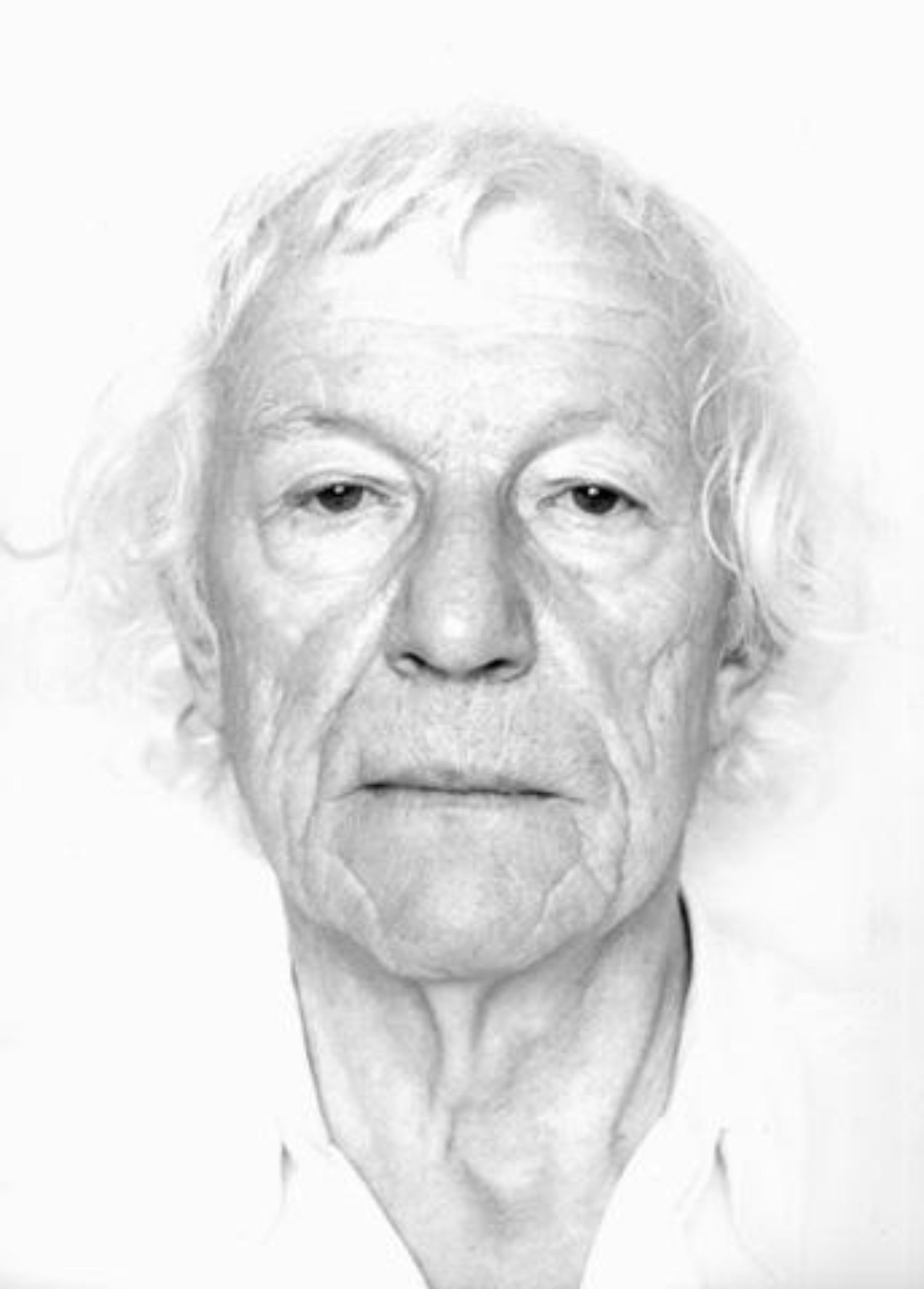
Metamorfosen in Rijksmuseum with Opalka photographs
News content
Het Rijksmuseum in Amsterdam shows as of February 6th 2026 a group exhibition inspired by the Roman poet Ovid with many Old Masters but surprisingly also inluding the series of self-portraits by Roman Opalka from the Axel & May Vervoordt Foundation.
It is one of the most widely read texts from classical antiquity and has fascinated artists for centuries. In the major spring exhibition Metamorphoses, you can immerse yourself in Ovid's two-thousand-year-old poem about vengeful gods, resourceful heroes, and arrogant mortals.
Metamorphoses brings together more than 80 international masterpieces from museums and collections around the world. From Bernini, Titian, Correggio, and Caravaggio to Rodin, Brancusi, Magritte, and Bourgeois. On display are paintings, sculptures, jewelry, and ceramics, as well as contemporary photography and video art. The exhibition is a special collaboration with the Galleria Borghese in Rome.
The exhibition brings together centuries-old masterpieces and contemporary interpretations. In addition to iconic works such as Bernini's The Sleeping Hermaphroditus and Caravaggio's Narcissus, you will also discover modern translations of the Metamorphoses. Such as in the groundbreaking work of Ulay, or the video installation by Juul Kraijer, inspired by the myth of Medusa.
“Everything changes, nothing disappears” is the essence of Ovid's Metamorphoses, written around 8 AD. People, animals, and gods constantly take on different forms: from Arachne, the weaver who turns into a spider, to Jupiter, who disguises himself as a bull, a swan, or a shower of gold to deceive his jealous wife and his victims. In 1604, Dutch painter and writer Karel van Mander called the Metamorphoses a 'Bible for artists’. This is no exaggeration, as evidenced by the richness and versatility that the work has produced.
Opalka obsessively painted numbers in a lifelong attempt to capture infinity. From 1965 onwards, after each painting session, he took a photograph of his own face, always against the same background and with the same lighting, in order to record his physical changes and the ‘metamorphosis’ of humans over a long period of time. His obsessive recording of change fits in with the central theme of the exhibition: ‘Everything changes, nothing perishes’ (Omnia mutantur, nihil interit).