Threads of Being: Textiles, Time and Transformation
Group exhibition, Threads of Being: Textiles, Time and Transformation
From →
Wijnegem
Pictures of the exhibition
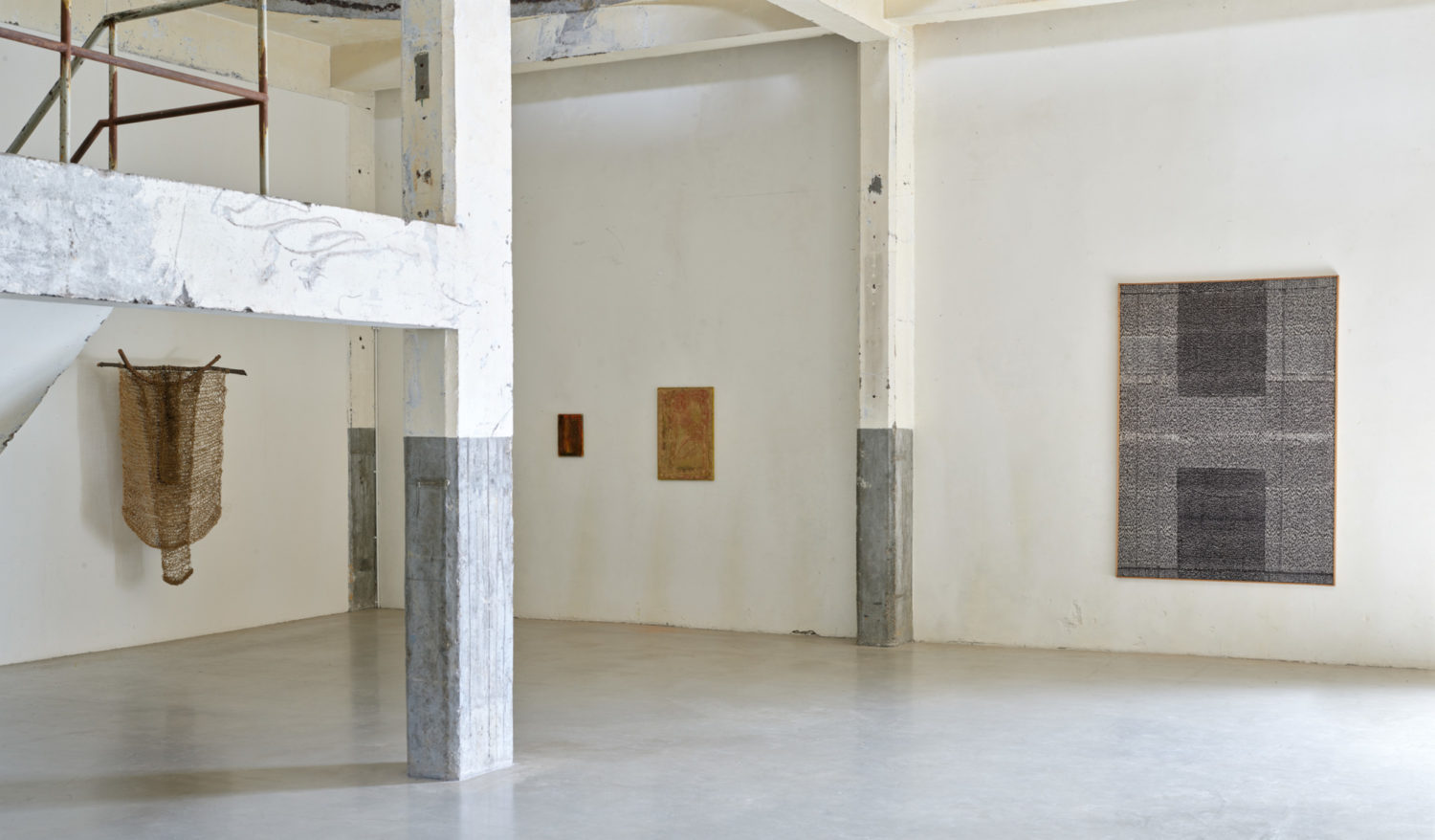
Group exhibition, Threads of Being: Textiles, Time and Transformation
From →
Wijnegem
Story of the exhibition
Threads of Being: Textiles, Time and Transformation brings together the work of eight artists whose practices unfold through sustained and attentive modes of making. Across painting, sculpture, film and installation, each engages with repetition, accumulation and material sensitivity as a way of thinking through form. Rather than approaching textiles as a medium alone, the exhibition considers textile-related logics such as threading, layering, stitching and interlacing as conceptual frameworks through which time, memory and presence are articulated.
Within this framework, surfaces are not passive. They hold duration, register gesture and carry the trace of labour. Materials are approached as active agents, embedded with histories and cultural memory. What emerges is a shared commitment to slowness and continuity, where meaning is not immediate but gradually disclosed through sustained engagement.
A key historical anchor within the exhibition is the work of Barbara Levittoux-Świderska, whose practice expands fibre-based practice into architectural space, weaving becomes a way of organising perception. Through weaving, layering and the combination of natural and industrial materials, she developed a precise visual vocabulary grounded in rhythm and structure. Her work establishes an early articulation of textile logic as a system of order, one that organises light, movement and perception, and sets a foundation for many of the concerns explored in the exhibition.
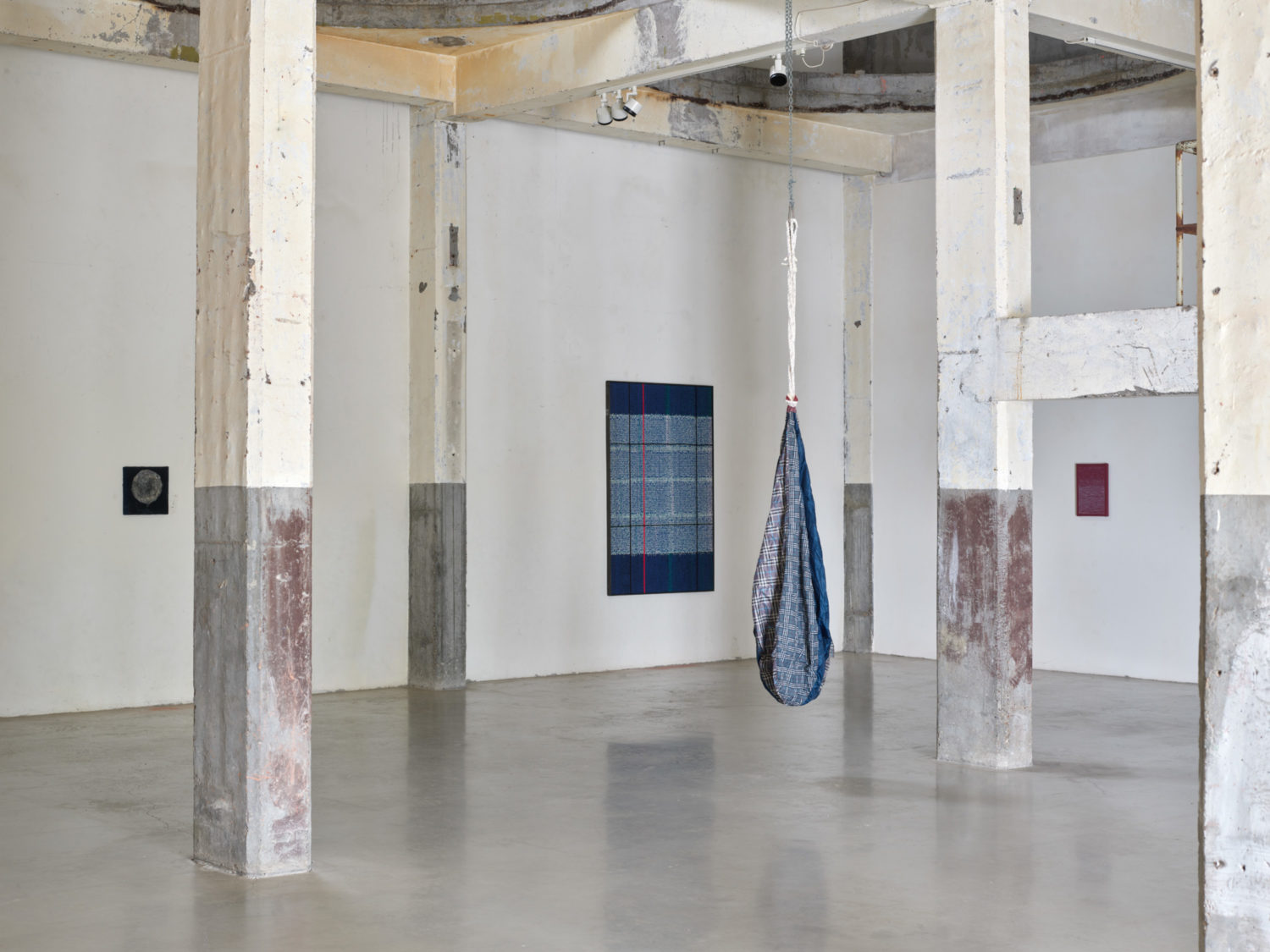
In the paintings of Varda Caivano, time is embedded rather than depicted. Her works unfold slowly, through restrained accumulation and subtle shifts in surface and tone. Each painting resists immediacy and remains open, holding the viewer in a space where perception is prolonged rather than resolved. Painting becomes a process of thinking through time, where structure is never fixed but continually forming.
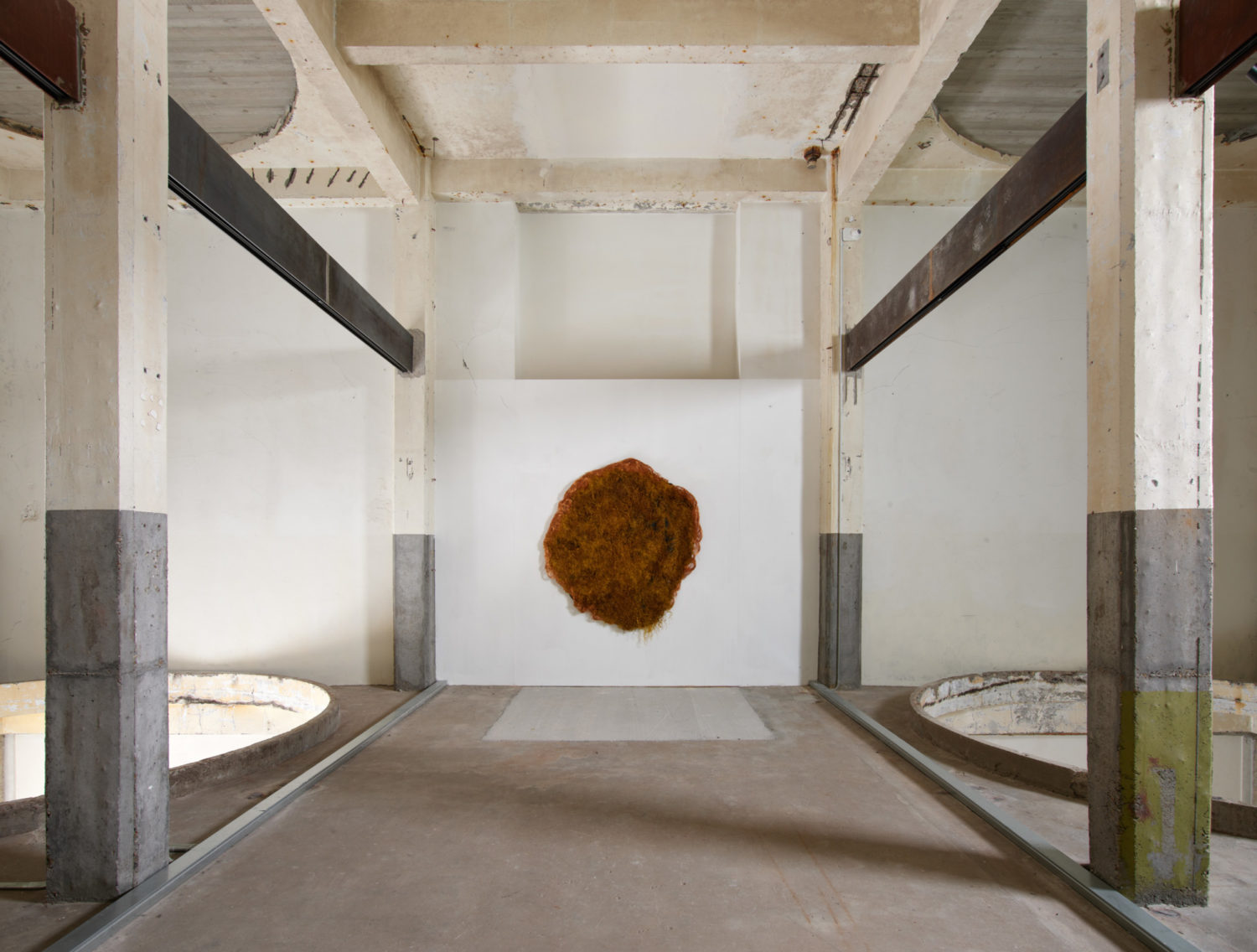
In a markedly different register, Chiyu Uemae brings a historical perspective grounded in postwar abstraction. Associated with the Gutai movement, his practice is defined by a persistent engagement with repetition and material accumulation. The works presented here exemplify his method: small, tactile elements are assembled into dense, rhythmic fields, where gesture is embedded within structure. Each surface becomes a record of labour rather than a depiction of it. His work bridges painting and textile logic, translating the act of making into a durational process in which time is physically inscribed into the surface.
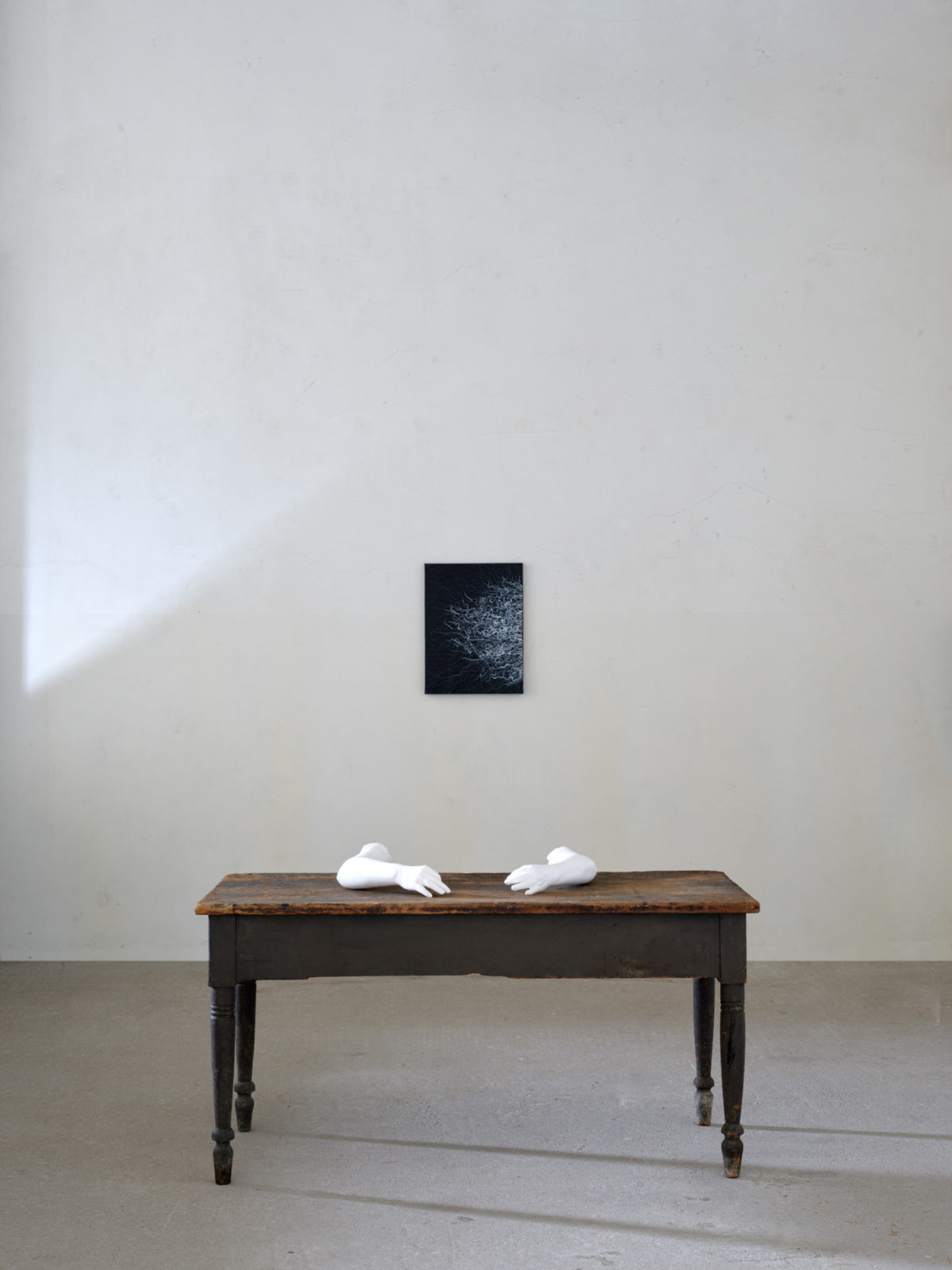
A comparable sense of devotion to process underpins the work of Waqas Khan, whose recent paintings are constructed through countless minute marks. His drawings and paintings are built from repeated micro-gestures that accumulate into dense fields of attention. The viewer is drawn into a space where looking slows down and concentration becomes physical. In dialogue with Uemae, Khan extends the exhibition’s exploration of accumulation as both a visual and temporal condition, though in an increasingly reduced scale.
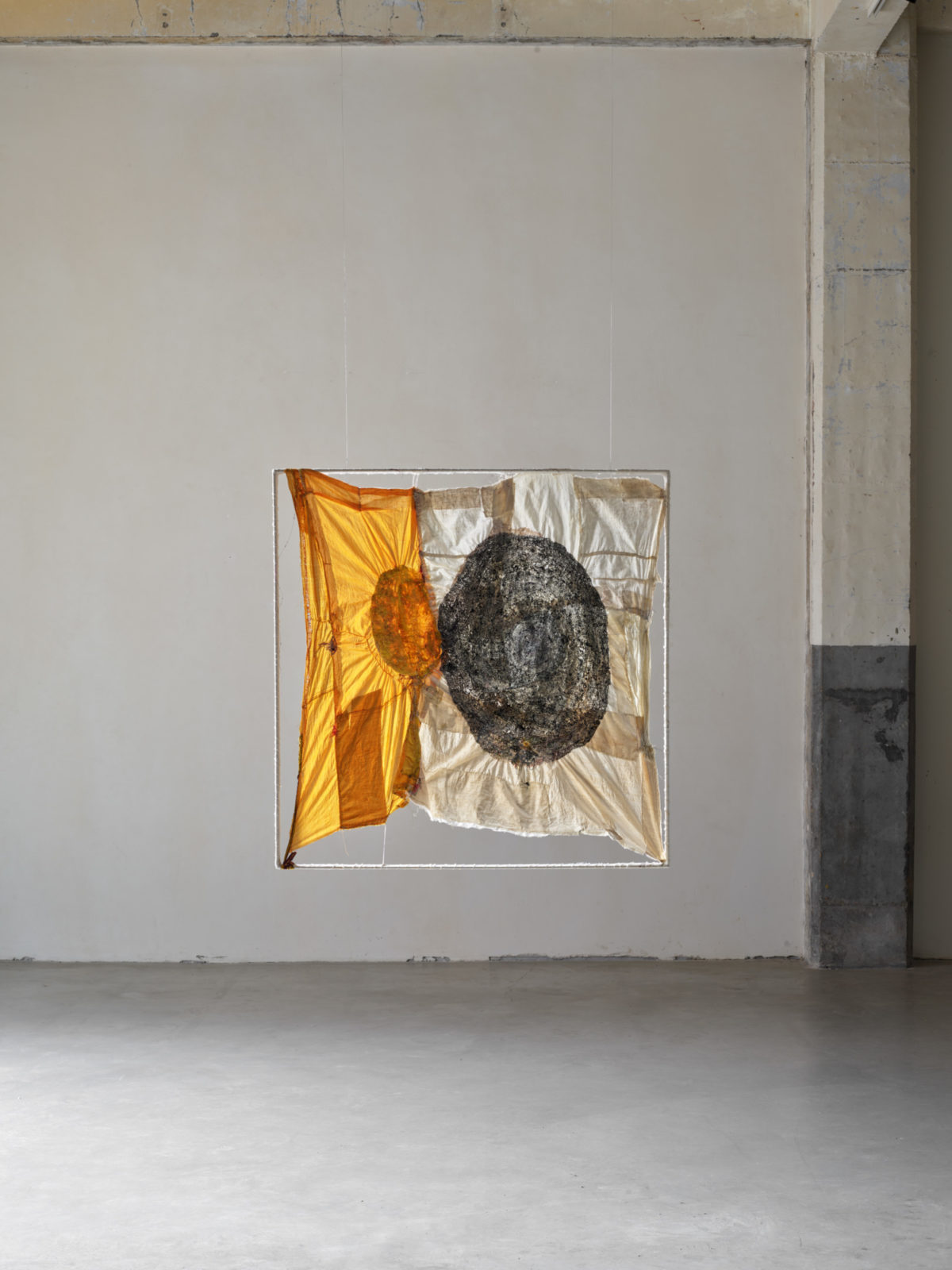
With Junko Oki, repetition turns into a form of intimate repair. Working with found and aged textiles, she stitches, marks and mends in ways that remain deliberately direct. Her practice moves between drawing and mending, where the act of repair becomes a way of holding time together. The works carry the sense of something fragile that is continuously being sustained, where making is inseparable from care and attention.
This notion of care expands into a broader social dimension in the work of Jaffa Lam. Her long-term collaborations with communities in Hong Kong turn material reuse into a shared process of production. Works such as Meditation Tent (2011) and Lost and Found (2021) reflect a collective rhythm of making, where discarded materials are reactivated through cooperation. Her practice can be read as a form of communal weaving, where social relations become part of the material itself.
Spatial and perceptual activation are central to the work of Katsuhiro Yamaguchi, a founding member of the Experimental Workshop. His mesh-based works introduce lightness and instability, engaging directly with movement, reflection and changing conditions of light. Rather than presenting a stable image, his work activates the conditions of seeing itself, where time becomes part of perception.
Finally, Kimsooja situates these concerns within a broader philosophical framework. Her practice is grounded in repetition and stillness, where making is reduced to gesture and presence. In Deductive Object (2016), a plaster cast of the artist’s arms rests on an antique table, forming a void that recalls the act of sewing. The absence of action becomes central, shifting attention from object to state. The work suggests a suspension of production in which presence is articulated through quiet refusal, and where making is redefined as a condition of being rather than doing.
Taken together, the artists in Threads of Being articulate a shared understanding of making as a sustained, embodied practice. Whether through thread, mark, image or light, each engages with processes that unfold over time, holding memory and enabling transformation. The exhibition proposes textile and textile-adjacent logics not as ends in themselves, but as ways of thinking, frameworks through which rhythm, labour and continuity can be experienced, and through which the relationship between material and time is continuously renegotiated.