Human Traces: Presence, Absence, and Material Memory
联展, Human Traces: Presence, Absence, and Material Memory
由 →
Wijnegem
Pictures of the exhibition
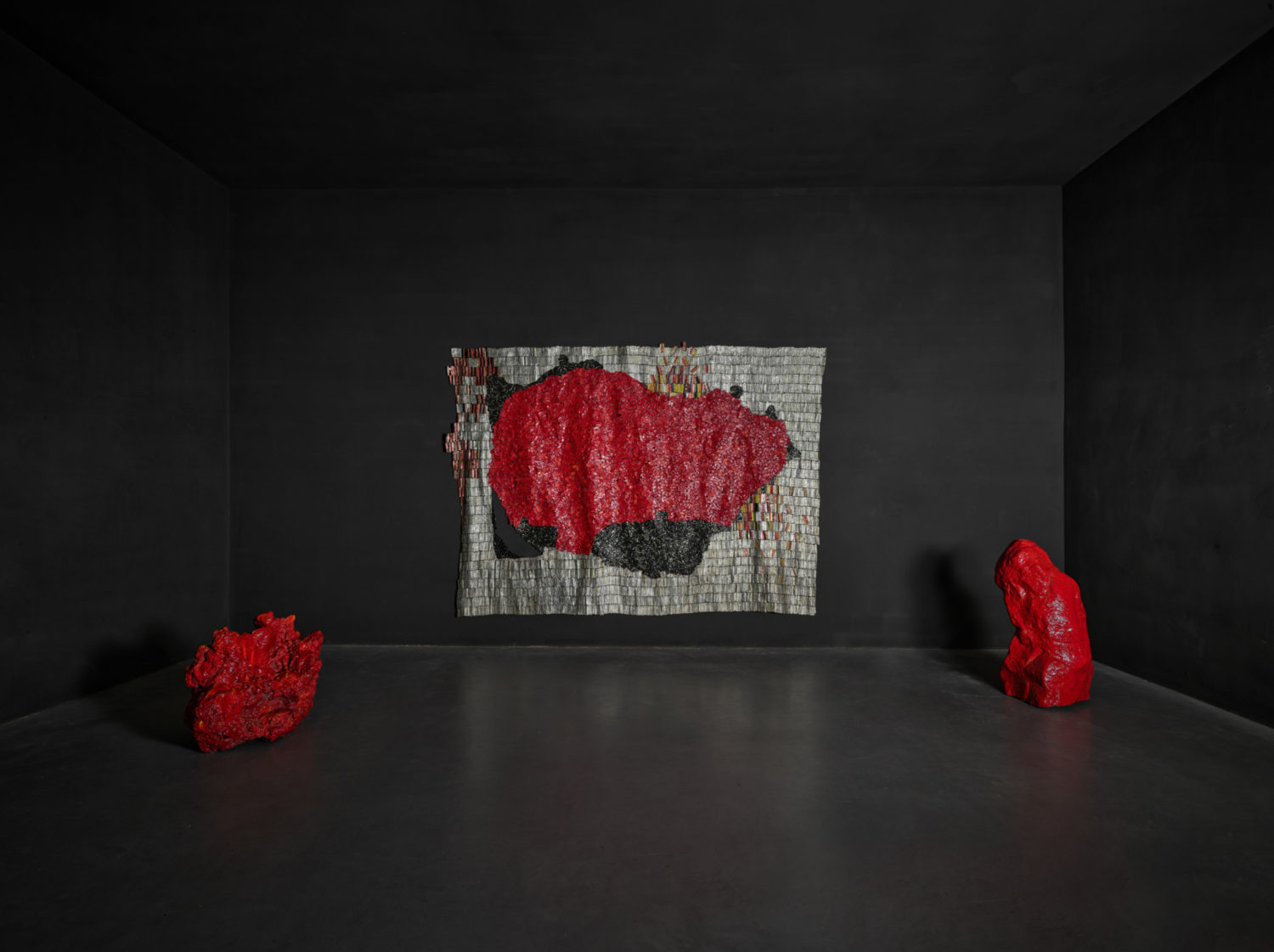
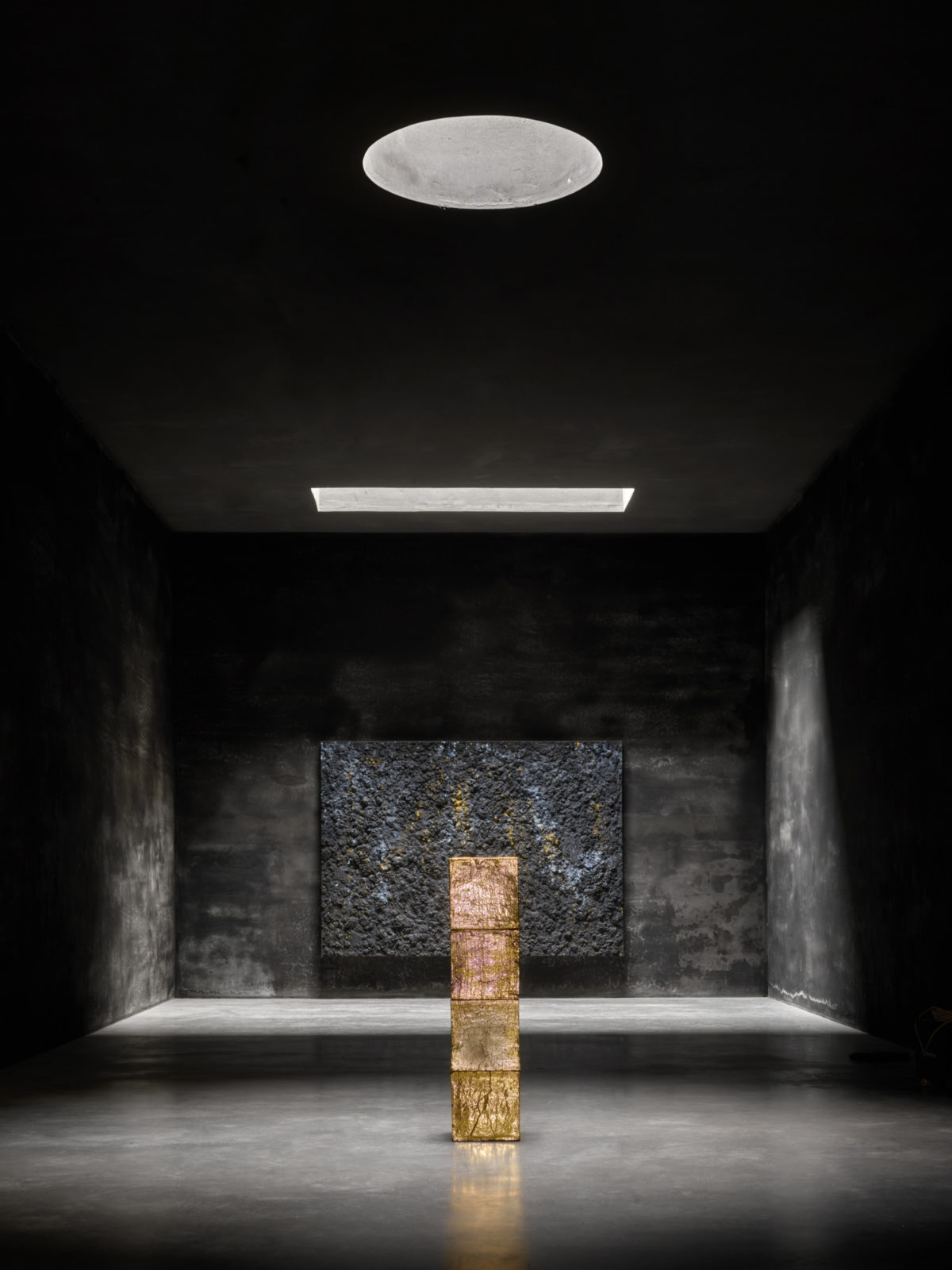
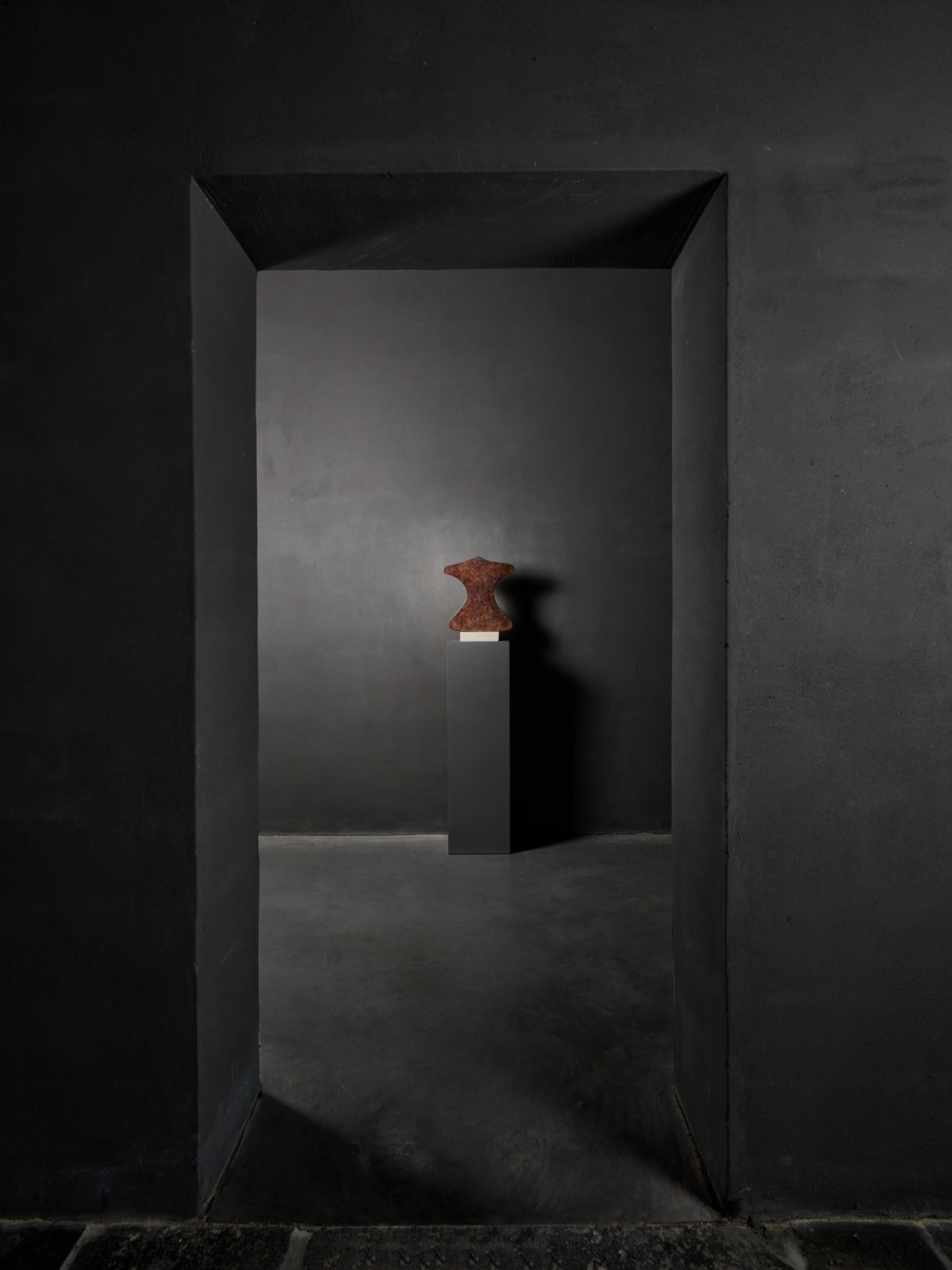
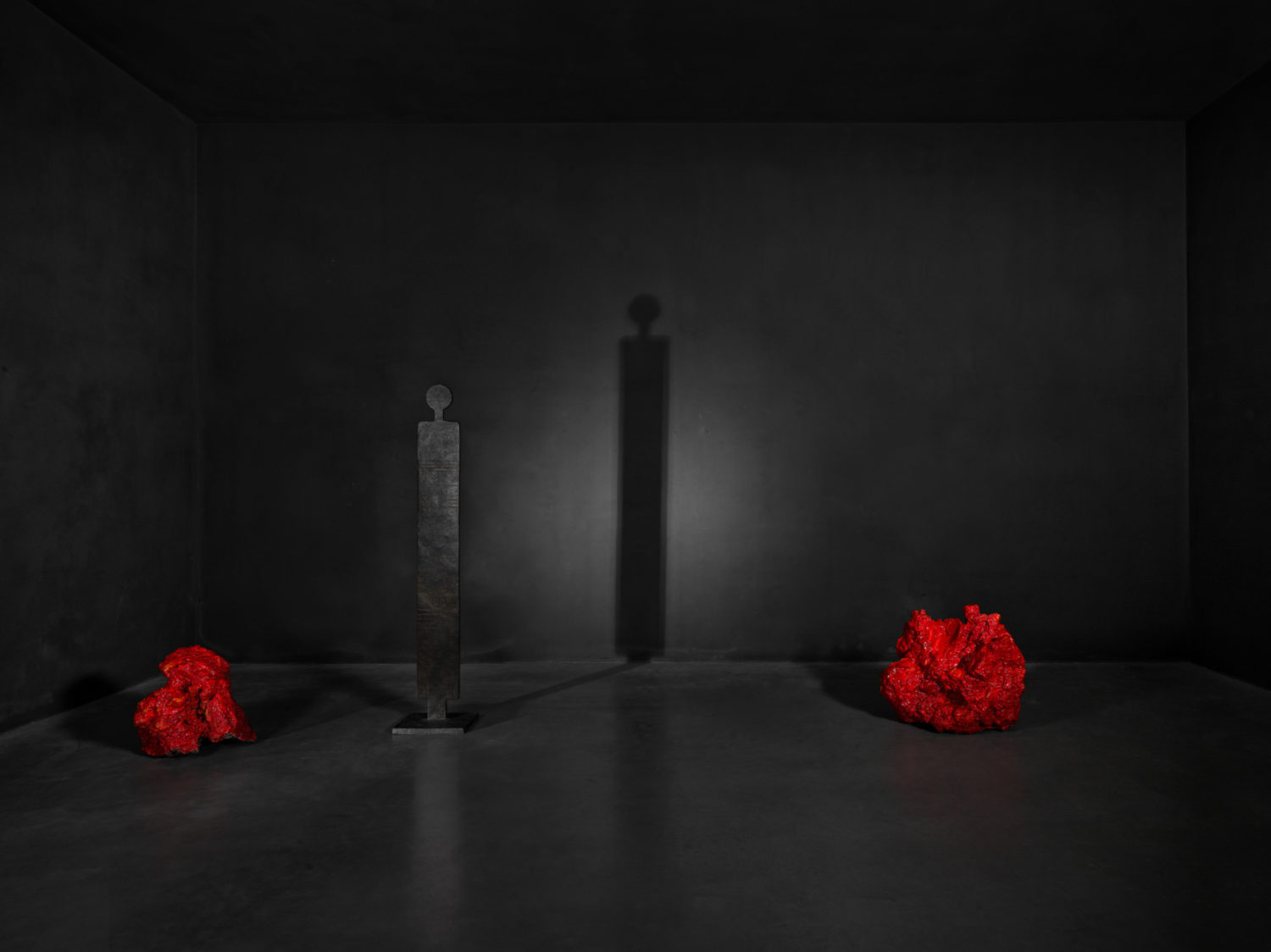
联展, Human Traces: Presence, Absence, and Material Memory
由 →
Wijnegem
Story of the exhibition
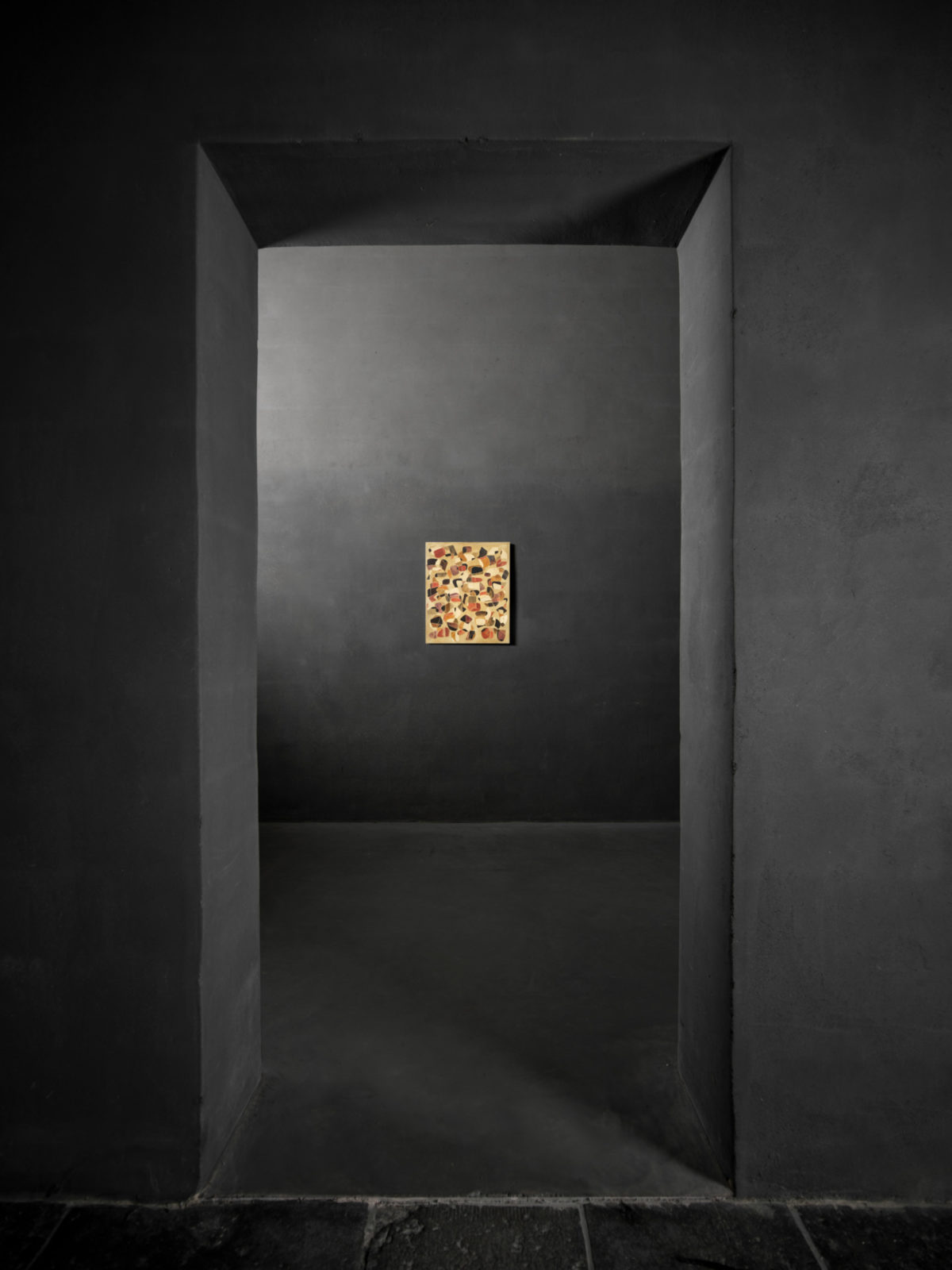
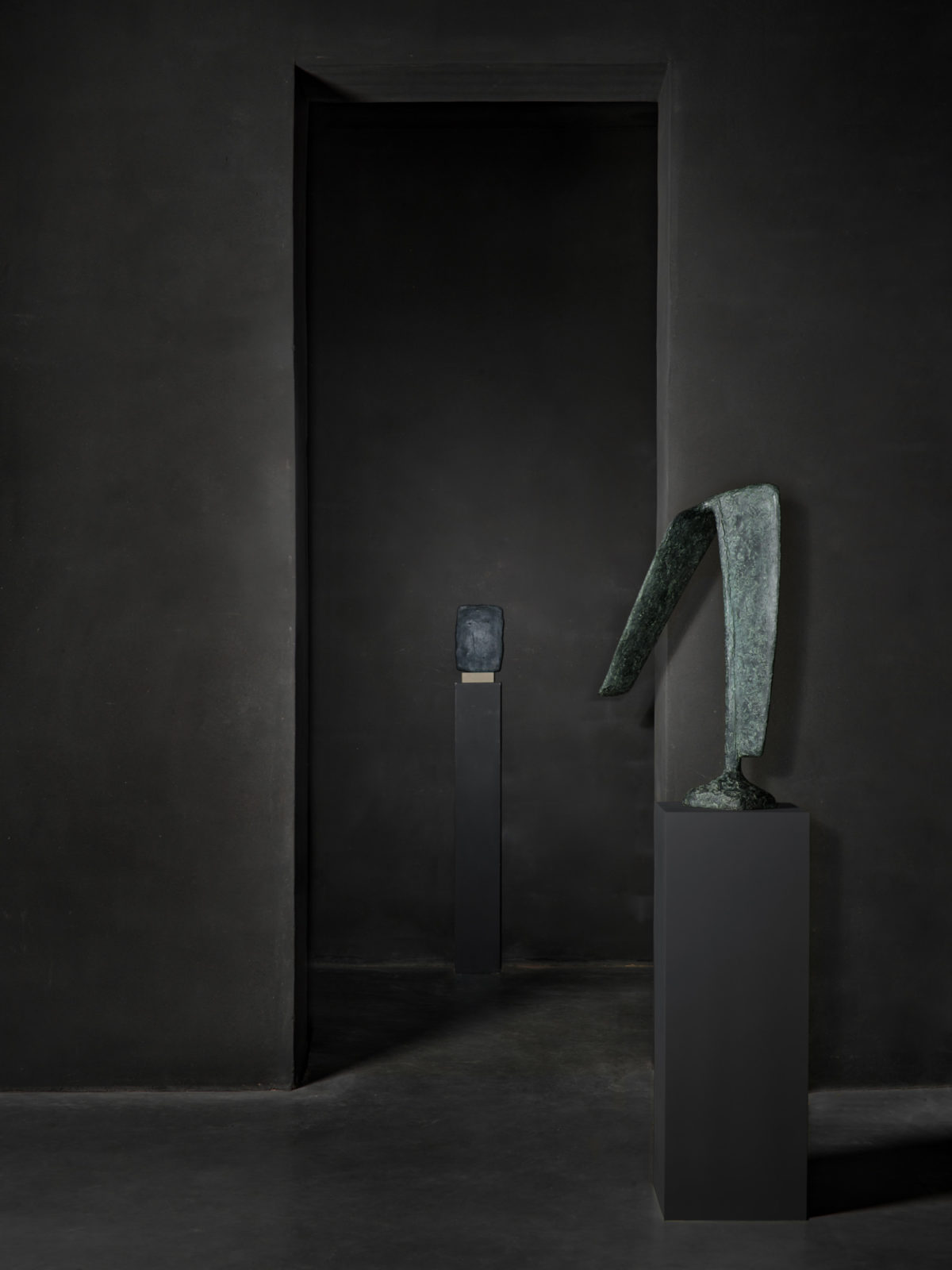
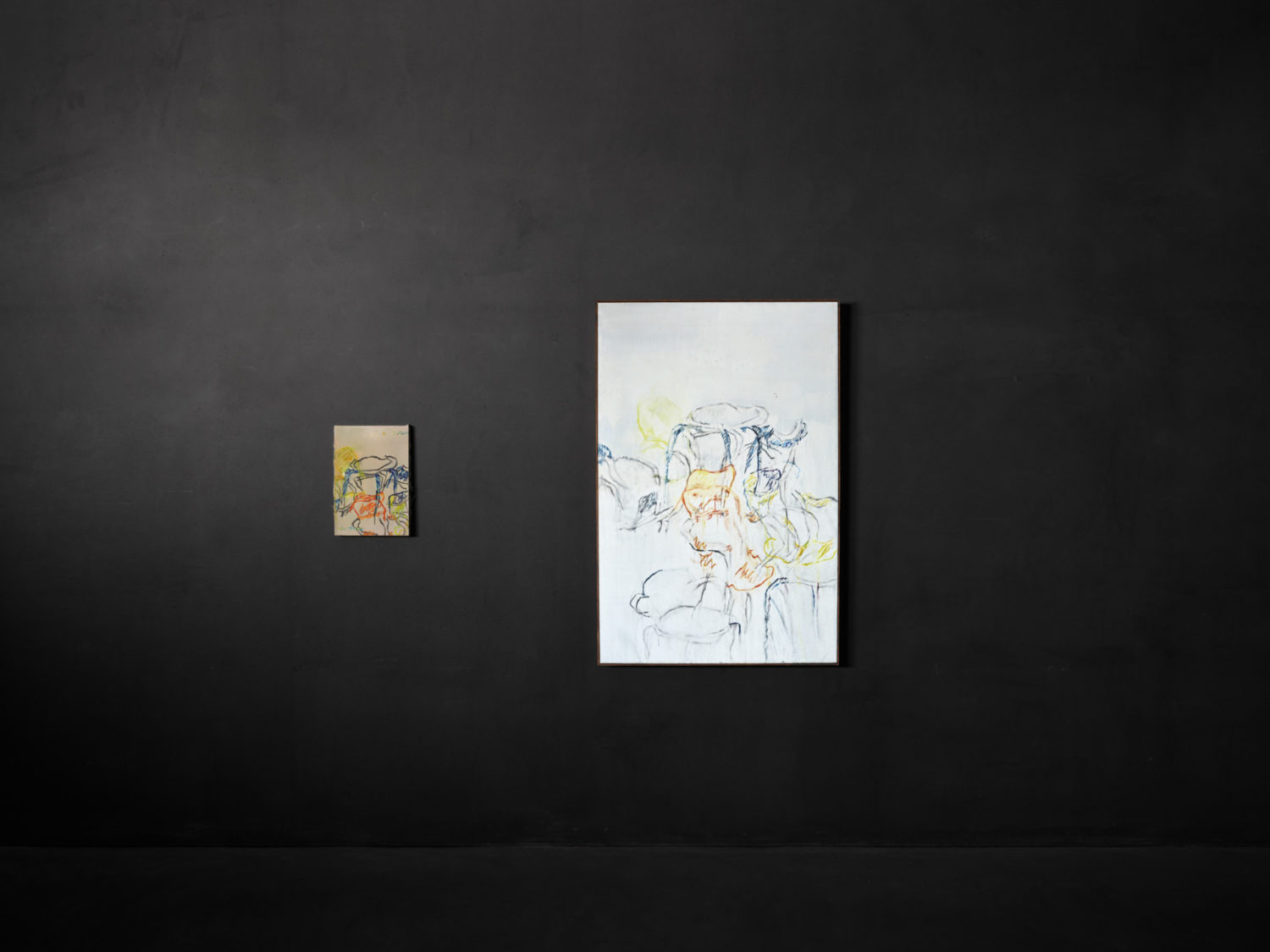
Group exhibition with work of Ida Barbarigo William Turnbull, El Anatsui and Bosco Sodi
Venetian artist Ida Barbarigo (1920-2018) transformed simple objects like chairs and tables to haunting symbols of presence and absence. In her abstract paintings , she used repetition and distortion and atmospheric space to evoke psychological tension rather than to depict literal furniture.
William Turnbull (1922 –2012) worked between abstraction and archetype, creating sculptures that feel simultaneously ancient and modern. His sculptures strive toward archetypal forms, almost ritualistic. They often suggest timeless presences—horses, female figures, blades—reduced to their essence.
One of the most influential artists of his generation, Ghanean El Anatsui (b. 1944) is widely regarded for his tapestry-like sculptures made from recycled bottle caps pierced together to form massive abstract fields of colour, shape, and line. Anatsui transforms the remnants of postcolonial economies into something luminous and alive: a powerful meditation on history, material, and transformation.
Mexican artist Bosco Sodi (1970) uses material as a human gesture. The thick cracked surfaces of his paintings feel eroded, weathered and burned, almost geological. His gilded stack of terracotta cubes reads like an alchemical landmark that is transforming the earthy material underneath into something sacred and precious. His vivid red enamelled rocks are another attempt to dignify or sanctify the imperfect condition of matter
Although coming from a different historical and cultural background, these artists shift the focus from representing the human body to revealing its traces—through space, form, and material—transforming absence into a powerful form of presence. By doing this, they all strive towards a transformation from the ordinary to the sacred.